

By Michael Williams
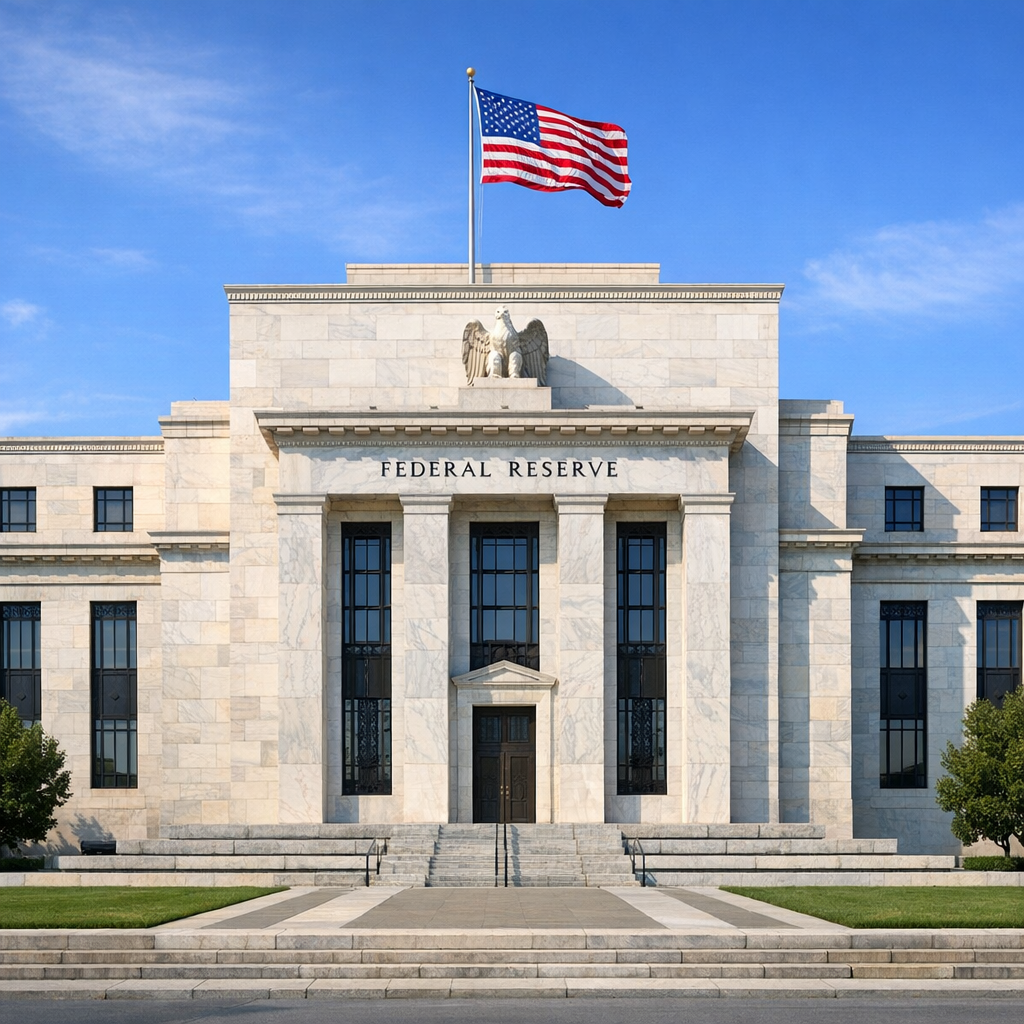
Across the United States, inflation remains stubbornly high and recent data suggest the Federal Reserve is closely watching for signs that it’s easing before making any significant moves. At the same time, growth has been modest and consumer sentiment fragile. These national trends are already shaping life here in Virginia Beach and will likely have continued local impact.
National Inflation & Fed Policy: Where Things Stand
The Fed’s preferred inflation measure remains elevated: headline inflation, though cooler than recent peaks, is still well above the 2% target that many economists and policymakers say is sustainable. Core inflation (excluding volatile sectors like food and energy) is also showing persistent strength, suggesting price pressures aren’t limited to just one or two sectors. Analysts are especially watching how durable those pressures are across housing, services, and labor costs.
To date, interest rates have held steady, but some Fed officials—worried inflation might not be fading fast enough—are signaling that rate hikes may still be on the table. The tension lies in balancing the risk of overheating with the danger of cooling growth too much. The Fed has repeatedly emphasized that its job is not done until inflation is firmly on a downtrend.
Growth and Risks: National Scan
The nation’s GDP growth has been slow but positive, suggesting the economy is holding up despite external shocks such as energy disruptions, geopolitical conflicts, and trade uncertainties. However, cracks are appearing: consumer confidence is shaky, and spending is being squeezed by higher prices and borrowing costs.
On the labor front, hiring remains positive in many parts of the country, but some sectors are reporting softer demand. For many families—especially those on fixed incomes or with large monthly expenses—the combination of rising inflation and tight credit is straining budgets.
Virginia Beach and Nearby Impacts
In Virginia Beach, many households may already be feeling inflation in their utility bills, food costs, housing rent, and overall cost of living. Higher borrowing rates can translate into more expensive mortgages or credit-card debts. Local businesses that rely on supply chains sensitive to energy or transportation costs may also see compressed margins.
Virginia’s broader economy is slower than the national average, with rising costs and labor market softening expected to weigh on job growth. As demand from consumers weakens, sectors like tourism, hospitality, and retail—key parts of the Virginia Beach economy—face potential headwinds.
What to Watch Going Forward
- The Fed’s upcoming meetings—especially any signals about changing rate guidance or plans for tapering intervention.
- Updates on inflation measures—headline, core, and especially housing-related costs—since they have outsized impact locally.
- Consumer confidence and spending trends in Southeast Virginia, which indicate how strongly local residents are absorbing these national pressures.
- Spending and budget actions by Congress. Federal aid, stimulus, or policy shifts could affect how much strain is placed on state and local economies.
For readers in Virginia Beach, these national trends might feel distant, but the choices made in Washington—and the numbers coming out each month—have real consequences for budgets, businesses, and communities along the coast. Staying informed is key.